
Iron deficiency is the most common form of nutritional deficiencies worldwide.
It is most prevalent among young children and women of childbearing age.
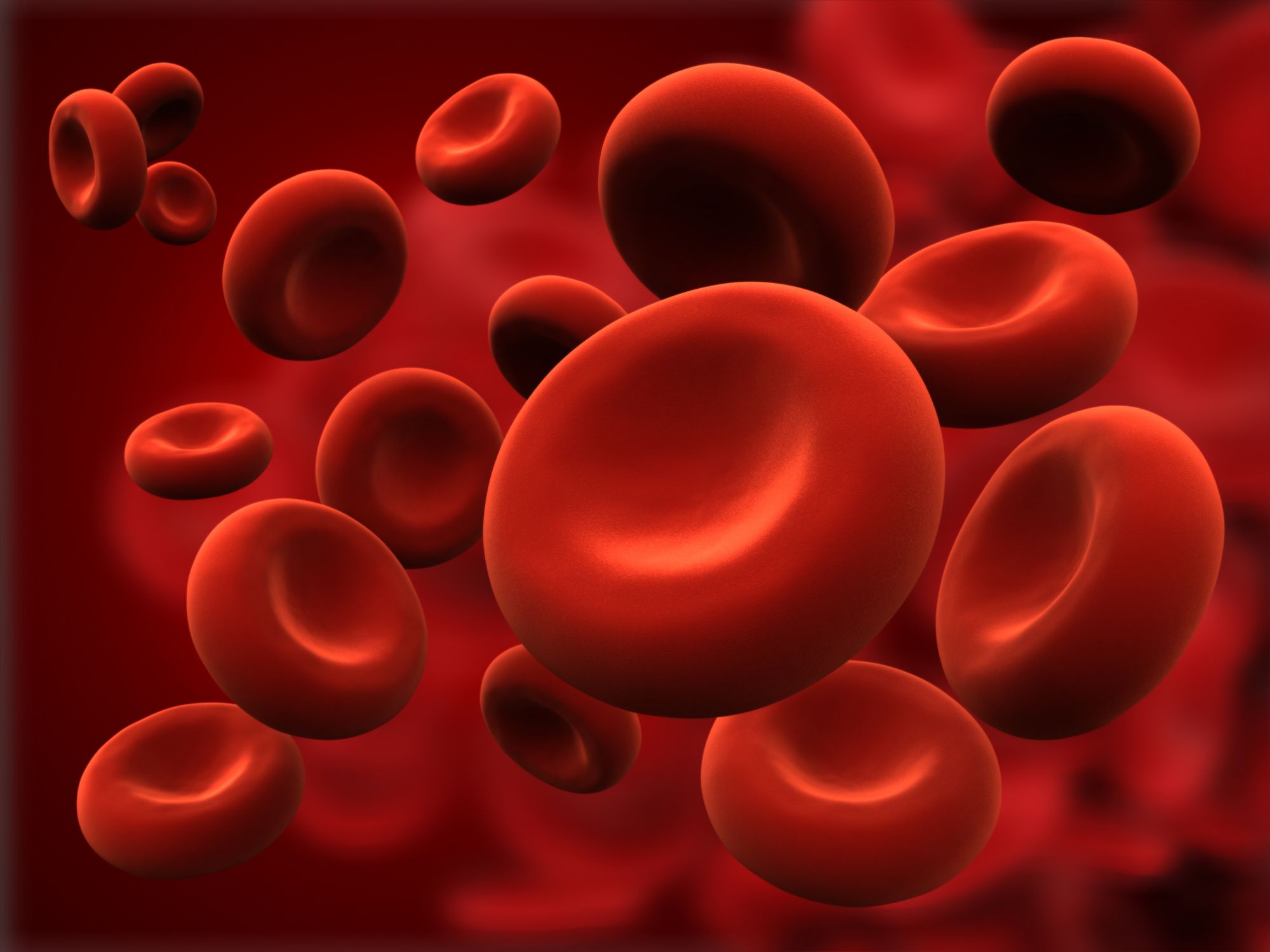
Red blood cells are pale and small in iron deficiency anemia and they are unable to carry adequate oxygen from the lungs to the tissues.
Iron deficiency is by far the most common cause of anemia in children and women of childbearing age.
Anemia can impair energy metabolism, Temperature regulation, Immune function, and Work performance.
PREGNANCY & IRON DEFICIENCY
Anemia during pregnancy may increase:
the risk of prematurity,
having a low-birth-weight infant
infant mortality.
Women in their childbearing years are at a higher risk of iron deficiency anemia due to blood loss from menstruation. Pregnancy is perhaps the most critical time for women due to the threefold increased demand of iron to support the additional blood volume, growth of fetus, and the blood loss during the birth of the child. Only less than 30% of pregnant women get enough iron from diet alone and 70% need to take Iron supplements. Health organizations such as CDC recommend that all pregnant women take an iron supplement.
INFANTS & IRON DEFICIENCY
In infants and children, even mild anemia mayvdelay cognitive and motor development
Full term infants are born with six-month stores of iron; premature infants have less. Compared with full-term infants of normal or high birthweight, preterm and low birthweight infants are born with lower iron store and grow faster during infancy. Consequently, their iron stores are often depleted by 2 to 3 months of age and they are at greater risk for iron deficiency than are full term infants.
Rapid growth and an inadequate intake of dietary iron places children 2 years and under, particularly between 9 and 18 months of age, at the HIGHEST risk of any age group for iron deficiency. Because of their rapid growth, infants and toddlers need more iron than older children.
There are a number of factors that could affect the iron status of infants. If the mother has iron deficiency anemia during pregnancy, especially if her hemoglobin is less than 8.5, the fetus could have poor iron stores. If the mother has uncontrolled hypertension, this could result in intrauterine growth restriction and therefore decreased placental iron transfer. If the mother has diabetes, hypoxia of the fetus could increase the fetal iron demand. Lastly, premature birth could lead to low stores of iron at birth and cause the child to be at higher risk of iron deficiency into the toddler years.
In infants (persons aged 0–12 months) and preschool children (persons aged 1–5 years), iron-deficiency anemia results in developmental delays and behavioral disturbances (e.g., decreased motor activity, social interaction, and attention to tasks).
FREQUENTLY ASKED QUESTIONs
WHICH FOODS ARE GOOD SOURCES OF IRON?
Almost every food contains iron although normally in very small amounts. The good sources for Iron are: liver (but avoid this during pregnancy), red meat., beans, nuts, soy bean flour.
WHY DO WOMEN NEED SO MUCH IRON DURING PREGNANCY?
The amount of blood in your body increases during pregnancy until you have almost 50 percent more blood than usual. You need extra iron to make more hemoglobin. You need extra iron for your growing baby and placenta, especially in the second and third trimesters.
WHY IS IRON IMPORTANT FOR MY HEALTH?
Iron is essential for making hemoglobin that carries oxygen from your lungs to the rest of your body and Iron deficiency is the most common form of nutritional deficiencies worldwide
WHAT IF I DON’T GET ENOUGH IRON?
Low iron causes anemia, a condition that can significantly decrease quality of life and overall health. Common symptoms of anemia include impaired thinking, fatigue, weakness, chest pain, headaches, shortness of breath, and even heart failure.
WHO ARE THE RISK GROUP FOR IRON DEFICIENCY?
Children and adolescents in the growth phase, women of child-bearing age, pregnant women and vegetarians are the risk groups for inadequate iron intake because they either have elevated requirements or because their diet will lead to an intake which is lower than the recommended level
HOW IS IRON DEFICIENCY DETERMINED OR DIAGNOSED?
Deficiency symptoms may also point to other health problems. A blood test should determine whether an individual has a sufficient iron intake or not. Iron tablets should only be taken after consulting a doctor and in line with his recommendations
WILL LIPOZIRON UPSET MY STOMACH?
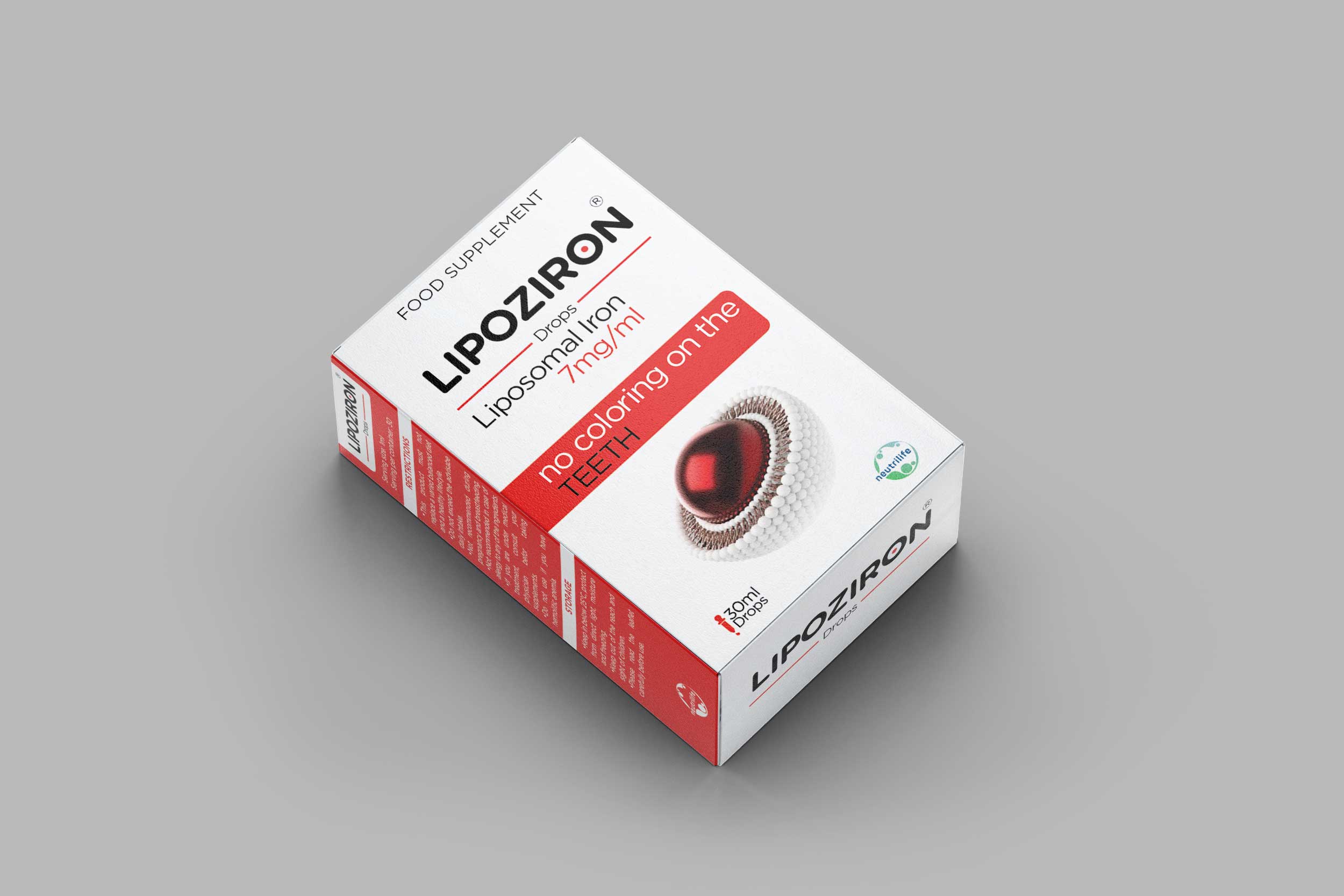
This is the key factor that makes LIPOZIRON unique from other iron supplements! Instead of digesting in your stomach, will be absorbed directly into your intestine.
DOES LIPOZIRON TASTE BAD?
Most natural and prescription iron supplements have a harsh, metallic taste. BUT LIPOZIRON contains a micronized and microencapsulated source of iron that has not Iron’s unpleasant metallic taste.
HOW OFTEN SHOULD I TAKE LIPOZIRON?
We recommend taking 1 capsule or sachet daily for optimal iron maintenance, but everyone’s iron needs are unique! Talk to your doctor before taking an iron supplement to get a custom dosage tailored to your body.